Dashboard Symbols and What They Mean
A car’s dashboard is a communication device that communicates important pieces of information to the driver. Your vehicle utilizes sensors and sophisticated equipment, to self-diagnose a wide range of issues. With the advancements in technology, the amount of information your dashboard may display has risen dramatically.
So let us go over some of the most common and universally used car warning lights, what they mean and how the driver should act upon. Please note that every car has its own individual set of specific dashboard warning lights and precise information relating to each one can be found in the vehicles users guide.
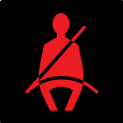
 Seat Belt Reminder – it is active as long as the vehicle is moving and the belt remains unfastened. Fastening seat belt will switch off the light. In most vehicles this warning light is accompanied by an audible warning.
 Front Airbag – It indicates a fault with the airbag system and disables the airbag function. Amber light informs the driver when a passenger air bag has been switched off manually. This requires an inspection by a qualified professional and it can affect the safety of the passengers in case of a collision.

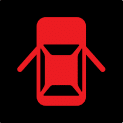
Open Doors Indicator – this symbol is usually turned on just after the driver starts the engine and informs them that one or more doors are closed incorrectly. Please safely check that all doors are shut properly.
 Bulb Failure – it indicates a problem with one or more of the vehicles bulbs. Pop in and we will gladly replace the faulty bulb. Depending on the bulb, this can greatly affect the safety during driving and it is a condition for an MOT failure.
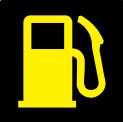
 Low Fuel Notification – this indicator is switched on if the fuel level gets very low. Refuelling is urgently required. At this point, the mileage on the remaining fuel is usually less than 50 miles, depending on the driving conditions. Before refuelling please always check the type of the fuel that the vehicle requires.

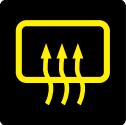
Rear Window Defrost – this is turned on once the driver presses the rear window defrost button. When window is clear of the frost, this indicator is usually turned off automatically. In some vehicles there is additional defrost functionality for the front windscreen and the external mirrors.
 Brake System Alert – this light indicates a low brake fluid level and professional help should be sought to rectify any issues. Leaks or low brake linings are a common cause. This light is sometimes used when a vehicle has an ABS fault.
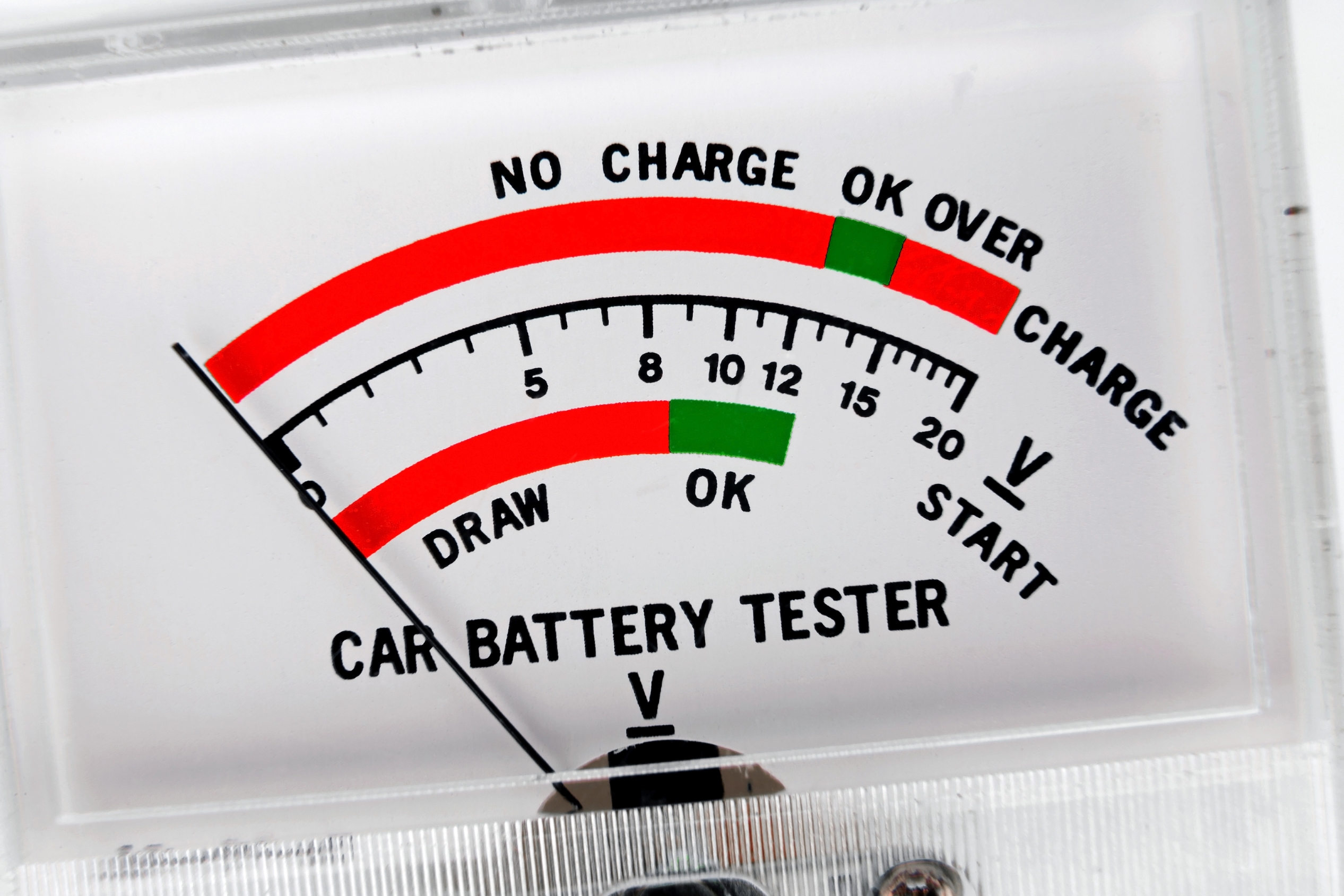
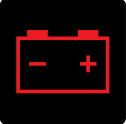
 Battery Warning – This means the vehicle has stopped charging the battery and will eventually go flat. Seek professional help to resolve the issue. Turning off the headlights or other elements of electricity consumption will increase the mileage of the vehicle in such a dire situation.
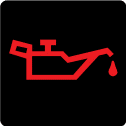
 Oil Pressure Warning – this light will illuminate when the oil pressure sensor detects low oil pressure. The vehicle’s engine should be switched off immediately to avoid severe engine damage. Please check the oil level checked to ensure correct quantity in the engine.
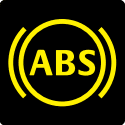
 ABS Warning Light – The light illuminates briefly on engine start up but switches off automatically. It indicates a fault in the ABS braking system; this will not result in losing your brakes but additional safety features will have been switched off by the control module. Please seek professional help.
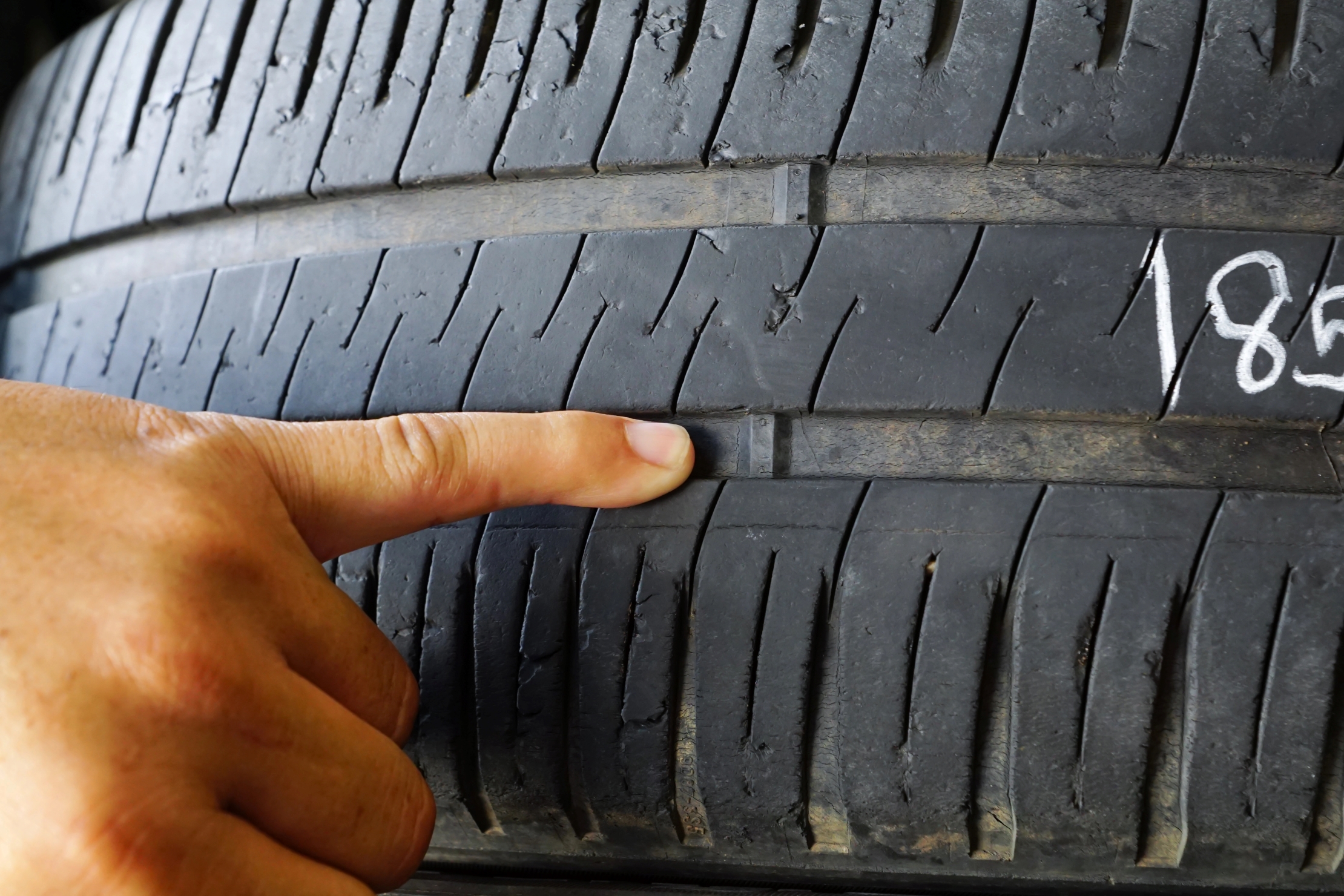
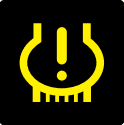
 Tyre Pressure Monitor – consult your owner’s manual and re inflate the tyres to correct pressure, then reset the system to extinguish the light. In most vehicles, this warning indicator requires driving the vehicle for a certain distance before it is activated.

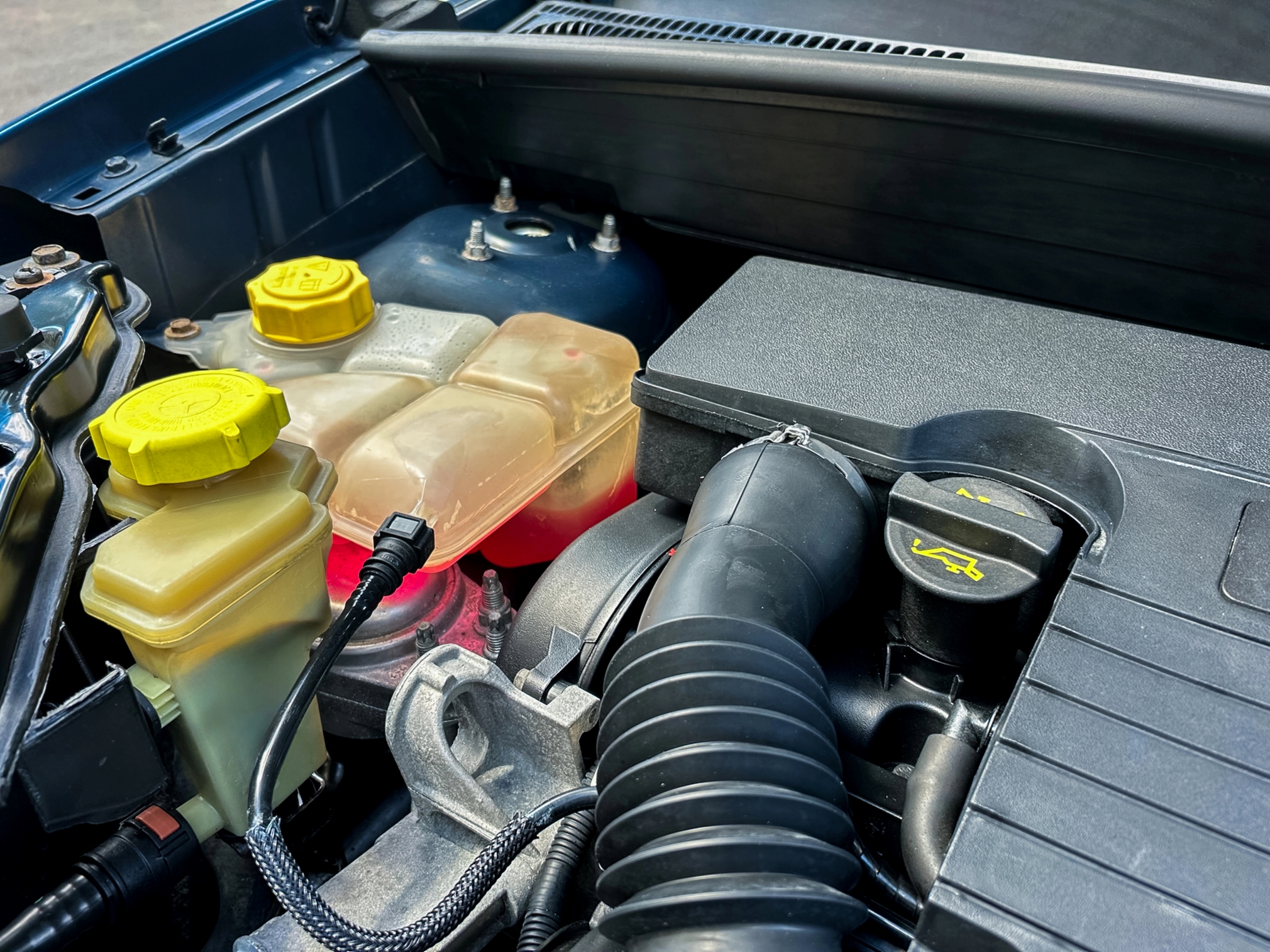
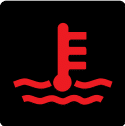
Temperature Warning Light – it warns the driver when the engine is overheating and usually demands the driver to stop the vehicle and seek attention to rectify the fault. Take extra care whilst checking the radiator coolant level; ensure that the engine has cooled down before opening the bonnet.

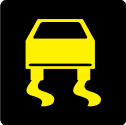
Traction Control Light – this light will illuminate along with the ABS light when the vehicle has a fault in the system. It will also flash when the system is operating to warn the driver of hazardous conditions.
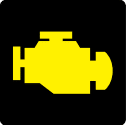
 Engine Management Light – this light illuminates when the vehicle detects a fault with the engine management system usually related to emissions or engine functions. It can cause the vehicle to go into limp home mode when illuminated with a loss of engine power. This light requires immediate professional attention to prevent any damage.

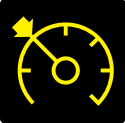
Cruise Control – this light is turned on if the cruise control system is activated; note that it may differ by brand and car model. Please check the manual of the vehicle for relevant functionality and controls.
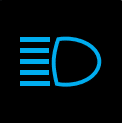
 High Beam Light – it is shown once the driver activates the high beam mode of the headlights; it should not be switched on when traffic is approaching from the opposite direction.